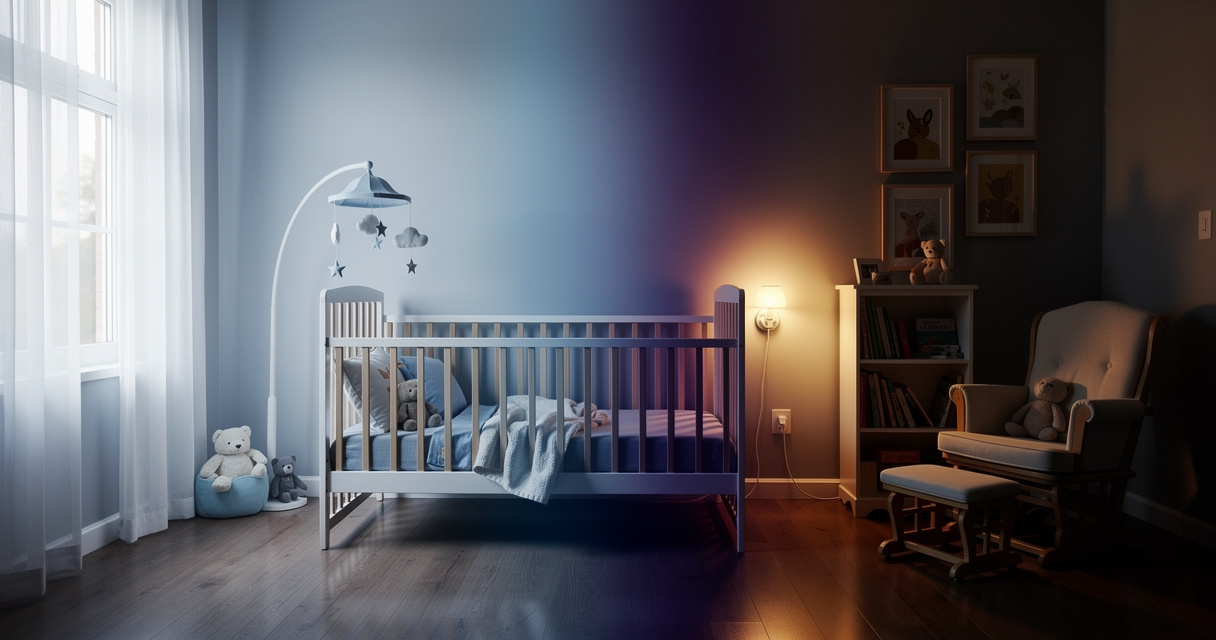
Hidden Sleep Needs in Toddlers: Beyond Overtiredness
Your toddler is bouncing off the walls at 6:30 p.m. By 6:45, full meltdown. What happened?
Hidden sleep needs in toddlers rarely look like drowsiness. They masquerade as clinginess, giddy silliness, or a mysterious “second wind” that fools even experienced parents. If you’ve ever missed the window and watched bedtime unravel into a 90-minute standoff, you’re not alone.
In this guide, we’ll decode the subtle signals that appear before overtiredness hits, connect them to what researchers actually know about toddler sleep, and give you concrete timing strategies. The goal: fewer battles, more predictable nights, and a happier toddler tomorrow.
Why Hidden Sleep Needs Matter More Than You Think
Toddlers rarely announce, “I’m sleepy.” Instead, insufficient sleep can look like giddy energy, impulsivity, or extra tantrums.
Health authorities note that children who don’t get enough sleep may show hyperactivity or disruptive behavior rather than obvious drowsiness—and they’re more accident-prone, too. According to the Mayo Clinic Health System, inadequate sleep in young children commonly shows up as irritability, poor attention, and increased clumsiness.
The American Academy of Sleep Medicine (AASM) recommends 11–14 hours in 24 hours for ages 1–2 and 10–13 hours for ages 3–5, with naps included. The American Academy of Pediatrics (AAP) endorses these same ranges.
Key takeaway: When toddler behavior goes sideways, consider sleep first. Subtle signs often appear hours before classic “overtired” crying.
The Science Behind Toddler Sleep Signals
Toddler sleep is governed by two systems working in tandem: the homeostatic drive (sleep pressure that builds the longer they’re awake) and the circadian rhythm (the internal clock aligning sleep with day and night). As these systems mature, timing becomes just as important as total hours.
Sleep pressure rises across awake time. Too little pressure means nap resistance; too much triggers emotional dysregulation before bed. It’s a narrow window, and toddlers give you surprisingly little margin.
Circadian rhythms, shaped by light exposure, meals, activity, and routine, help consolidate sleep at night. Research from the National Sleep Foundation shows that more stable rhythms make sleep more restorative for children. Blue-light exposure near bedtime suppresses melatonin and can delay sleepiness, which is why screens often backfire in the evening.
A 2021 systematic review published in Sleep Medicine Reviews linked consistent bedtime routines with better sleep outcomes through toddlerhood, including fewer night wakings and longer total sleep duration. And naps aren’t just “nice to have”—a 2025 systematic review and meta-analysis found that napping in early childhood supports declarative memory, with benefits persisting into the preschool years.
Subtle Signs Your Toddler Needs Sleep (Before Overtiredness)
Hidden sleep needs show up as changes from your child’s baseline. Watch for these patterns in the late morning (before nap) and late afternoon (before bedtime):
- Sudden silliness or “zoomies” that escalate quickly. Paradoxical hyperactivity is a well-documented response to sleep loss in young children.
- Extra clinginess or increased demand for attention after a previously calm stretch.
- Short fuse: faster tantrums, frustration with simple tasks, or rigid “no’s” that come out of nowhere.
- Clumsiness and small stumbles, especially close to dinner. The Mayo Clinic notes that sleep-deprived children have higher accident rates.
- Waning interest in favorite activities, or aimless toy-hopping every minute or two.
- Early evening “second wind” after missing the first sleepy window. This is often tied to light exposure and circadian arousal, not true freshness.
Tip: Track when these cues appear for 3–5 days. You’ll often spot a repeatable window that’s 15–30 minutes earlier than your current nap or bedtime.
How Much Sleep Do Toddlers Actually Need?
The AASM guidelines, endorsed by the AAP, provide clear ranges:
- Ages 1–2: 11–14 hours per 24 hours (naps included)
- Ages 3–5: 10–13 hours per 24 hours (naps included)
These are population ranges. Some children thrive at the high end; others do well in the middle. If behavior and mood are consistently off, assume your child may need more sleep than they’re currently getting—and aim for earlier timing before cutting naps.
Example: Your 20-month-old totals only 10.5 hours in 24 hours and melts down at dinner every night. Try shifting bedtime 20–30 minutes earlier and protecting the nap for one full week before evaluating.
Nap Transitions: Spot True Readiness
Most children drop from two naps to one sometime between 15 and 18 months, though daycare schedules sometimes push earlier. When naps are cut too soon, evenings can spiral.
Research supports keeping naps as long as they’re developmentally beneficial. The meta-analytic evidence on nap-related memory benefits suggests protecting the second nap until your toddler consistently resists it for 10–14 days and nighttime sleep stays stable.
Signs it may be time to consolidate to one nap:
- The morning nap pushes the afternoon nap too late—or replaces it entirely—for two weeks straight.
- Bedtime is drifting later despite a normal day.
- Your toddler plays happily through the morning without sleep cues, yet still naps well at midday.
Example: Your 16-month-old skips the afternoon nap most days and takes a long morning nap instead. Gradually nudge the morning nap later by 15 minutes every few days until it starts after lunch, then stabilize bedtime.
8 Practical Ways to Catch the Sleep Window
1. Guard the Hour Before Bed
Dimming lights and ending screens at least 60 minutes before bedtime reduces melatonin suppression and calms arousal so sleepiness can surface naturally. The National Sleep Foundation recommends this as a frontline strategy.
- Lower household lights after dinner and use warm-toned lamps.
- Move baths earlier if they rev your child up rather than calm them down.
- Replace TV with quiet play or books.
2. Use a Short, Predictable Routine
Consistency cues the body clock. Studies link routine stability with longer sleep and fewer wakings across infancy and toddlerhood.
- Aim for 20–30 minutes: potty or diaper, pajamas, two books, lights out.
- Keep the order identical every night. Avoid adding new steps.
3. Adjust Timing in 15–20 Minute Moves
The sleep drive is sensitive. Small shifts help you find the sweet spot without creating overtiredness.
Example: If you see hyper energy or tantrums at 6:30 p.m., try starting the routine at 6:10 p.m. for several nights. For early wakes following a late bedtime, test an earlier lights-out for a full week.
4. Protect the Midday Nap
Naps bolster memory and help regulate afternoon behavior. Dropping them too soon can tank nighttime sleep.
- Keep the nap ending by 3:00 p.m. when possible to protect bedtime.
- On daycare one-nap schedules, use an earlier bedtime on “short-nap” days.
5. Create a Low-Stimulation Wind-Down Zone
Toddlers often show “hidden” tired cues only when stimulation drops. Give them the chance to surface.
- After dinner, move play to a dim, quiet room.
- Offer simple choices to reduce power struggles: “Two books or one book?”
6. Limit Screens—Especially Before Bed
A 2024 randomized clinical trial published in JAMA Pediatrics found that removing screens before toddler bedtime showed modest but meaningful sleep benefits.
- Park devices outside the bedroom and set a family-wide “screen curfew.”
- If TV is unavoidable, choose calm shows and end at least 60 minutes before bed.
7. Plan Quiet Time on No-Nap Days
Even when sleep doesn’t happen, reducing stimulation helps keep the afternoon regulated and bedtime on track.
- Offer puzzles, coloring, or audiobooks in low light for 30–45 minutes.
8. Track Behavior, Not Just Minutes
Total hours matter, but mood, coordination, and attention reveal whether sleep is truly restorative. The Mayo Clinic notes that poor sleep can mimic ADHD-like behavior.
- Jot quick notes each day: tantrums, clinginess, falls, or “zoomies” windows.
- Use patterns over 5–7 days—not single nights—to guide changes.
Red Flags: When to Talk to Your Pediatrician
Most sleep challenges resolve with timing and routine adjustments. But some signs warrant professional evaluation:
- Loud, habitual snoring or labored breathing during sleep
- Persistent bedtime battles paired with significant daytime sleepiness
- Frequent night terrors or sleepwalking that cause safety concerns
- Concerns about development, attention, or behavior alongside chronic short sleep
Longitudinal research published in JAMA Pediatrics links toddler sleep problems with later emotional and behavioral difficulties, so early intervention matters.
If problems persist despite routine and timing fixes, keep a one-week sleep diary (bedtime, wake time, nap times, screen use) and bring it to your visit.
Frequently Asked Questions
Q: What if my toddler seems wide awake at bedtime—should I push it later?
Not right away. A “second wind” often reflects circadian arousal and evening light exposure, not true readiness to stay up. Try dimming the environment and moving bedtime 15–20 minutes earlier for a full week before shifting later. Blue-light limits alone often resolve this pattern.
Q: Can an earlier bedtime really fix early morning wake-ups?
Often, yes. When sleep pressure gets too high before bed, sleep becomes fragmented and mornings creep earlier. Small, consistent bedtime advances of 15–20 minutes can consolidate sleep and push wake-ups later within a week or two.
Q: Are wake windows reliable for toddlers?
They’re useful starting points, but individual variability is significant. Prioritize total sleep ranges (11–14 hours for ages 1–2; 10–13 hours for ages 3–5) and your child’s behavioral cues over rigid timers.
Q: Do screens really affect toddler sleep that much?
Yes. Evening screens suppress melatonin and stimulate the brain, delaying sleepiness. A 2024 randomized clinical trial in toddlers showed measurable benefits when screens were removed before bed—even modest changes in screen habits made a difference.
Q: When should we drop from two naps to one?
When your child consistently resists one nap for 10–14 days without bedtime falling apart, and overall behavior stays regulated during the day. Many children are ready between 15 and 18 months. Once you consolidate, protect the after-lunch nap and adjust bedtime earlier if needed.
The Bottom Line
Hidden sleep needs in toddlers show up as behavior—silliness, clinginess, clumsiness—long before the tears start. The fix isn’t complicated: aim for age-appropriate sleep totals, dim the last hour before bed, and use a simple, repeatable routine.
When you need help dialing in the timing, try TinyRests to find age-appropriate wake windows and build a nap schedule that fits your toddler’s actual sleepy window—not just the clock on the wall.
Medical Disclaimer: This article is for informational purposes only and does not constitute medical advice. Always consult with your pediatrician or healthcare provider about your child’s sleep patterns and any concerns about their development or health.