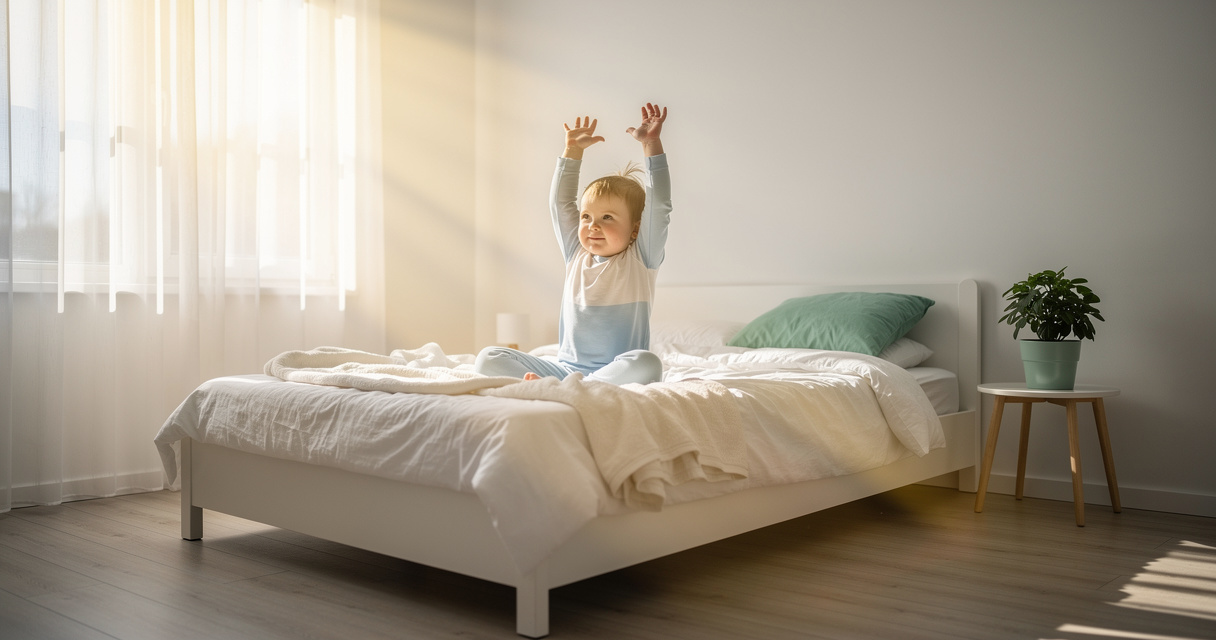
Sleepy Signals: Decoding Your Toddler’s Rest Cues
Your toddler was rubbing her eyes two minutes ago. Now she’s doing laps around the couch like she’s training for the Olympics.
Sound familiar? That whiplash from sleepy to wired is one of the most confusing parts of toddler parenting. The truth is, your child was giving you a clear signal—you just had a narrow window to catch it.
In this guide, we’ll translate your child’s most common sleepy signals, explain how biology and light shape their rhythms, and give you simple, science-backed steps to catch the “sweet spot” for naps and nights—without rigid rules.
Why Toddler Sleep Cues Matter (and Why They’re Tricky)
Toddlers typically need about 11–14 hours of total sleep per 24 hours, including naps. That’s not just a comfort goal—adequate sleep is linked with better attention, learning, behavior, and overall health, according to the American Academy of Sleep Medicine (AASM) consensus endorsed by the AAP.
But cues can be confusing. Early signs like quieting down or zoning out are easy to miss. If you do, your child may tip into “second wind” hyperactivity—a classic overtired sign that makes falling asleep harder.
The CDC also notes that too little sleep in early childhood is common and varies by age and family routines, which can add to the guesswork on any given day.
The Sleep Science Behind Those Signals
Your toddler’s sleepy signals are the outward signs of powerful internal systems working together.
The circadian clock acts as your child’s 24-hour body clock. Evening light—especially blue-rich light from LEDs and screens—can suppress melatonin and delay that natural “sleepy” rise. A 2022 study published in the Journal of Pineal Research found preschoolers are particularly sensitive to light exposure in the hour before bedtime.
Sleep pressure builds the longer your toddler has been awake. Well-timed naps lower that pressure so bedtime doesn’t arrive with a wired, overtired child.
Conditioning and routine also play a role. Predictable pre-sleep steps cue the brain that rest is next. The Sleep Foundation’s research summaries show consistent bedtime routines help kids fall asleep faster, sleep longer, and wake less at night.
A few key numbers to keep in mind:
- Toddlers (1–2 years) generally need 11–14 hours per 24 hours; preschoolers (3–5 years) need 10–13 hours
- Evening light can meaningfully suppress melatonin in preschoolers even at household light levels—dimming lights before bed is biology, not just ambiance
- Consistent routines improve sleep quality and reduce bedtime resistance across childhood
Decoding Common Toddler Sleep Cues
Your toddler may not use every signal every day. Watch for patterns that tend to cluster together for your child.
Early sleepy cues (green light—start winding down):
- Quieter play, zoning out, or staring into space
- Slower movements, less chatter
- Subtle yawns; rubbing eyes or ears
- Mild, new-onset clinginess
Late sleepy cues (yellow/red light—move fast):
- Multiple yawns in a short time
- Sudden bursts of energy or silliness (the notorious “second wind”)
- Irritability, tantrums over small things, increased clinginess
- Clumsiness or fussiness around routine tasks
These patterns are commonly described by pediatric sleep clinicians and align with what Cleveland Clinic highlights about behavior in sleep-deprived children.
Tip: Track the two or three early cues you personally notice most often. Those are your “green flags” to begin the routine.
Practical Strategies: Catch the Sweet Spot and Keep It Consistent
1. Anchor Predictable Wake Times and Dim the Night
Why it works: A stable morning wake time keeps the circadian clock steady. In the evening, dimming household lights and avoiding bright screens 60–90 minutes before bed allows melatonin to rise naturally—preschoolers’ hormones are especially light-sensitive.
How to do it:
- Open shades for morning light exposure; aim for outdoor light when possible
- Dim lamps after dinner; switch to warmer bulbs or lower settings
- Park tablets and TV well before routine time
Example: If bedtime is 7:30 p.m., switch to dim, warm lighting by 6:00 p.m. and turn off all screens by 6:30 p.m.
2. Use a Short, Repeatable Bedtime Routine (20–30 Minutes)
Why it works: Consistent steps become a powerful sleep cue set. Research summaries from the Sleep Foundation show children fall asleep faster and sleep longer with predictable routines—and these benefits persist over time.
How to do it:
- Pick 3–4 steps (bath, pajamas, brush teeth, two books, lights out) and keep the order identical
- Stay calm and consistent—even on weekends
Example: Bath at 7:00, pajamas at 7:10, brush teeth at 7:15, two books in dim light at 7:20, lights out at 7:30.
3. Time Naps to Protect Bedtime
Why it works: Too-late or too-long naps can push sleep pressure too low at night, while overly long wake stretches create overtiredness. Mayo Clinic suggests spacing naps and avoiding late-day snoozes if bedtime is a struggle.
How to do it:
- Keep the last nap ending at least 4–5 hours before bedtime for most toddlers
- If evenings are rough, trim nap length by 15 minutes for a few days and reassess
Example: If bedtime is 7:30 p.m., aim for the nap to end by 2:30–3:00 p.m. at the latest.
4. Catch Early Cues, Not Just the Clock
Why it works: Wake windows are helpful guardrails, but your child’s behavior is the real-time data. When early cues appear, start winding down before hyperactive “second wind” energy kicks in.
How to do it:
- When you see your toddler zoning out or getting clingy, begin the routine within 5–10 minutes
- If you often miss the window, move your entire routine 15 minutes earlier for 3–4 nights
Example: You notice your 18-month-old rubbing her ears at 6:50 p.m. Instead of waiting until the “scheduled” 7:00 start, begin bath immediately.
5. Create a Sleep-Friendly Room
Why it works: Environment can make or break an easy transition. Dim light supports melatonin; cooler temps and quiet reduce arousal. The Office of Head Start emphasizes limiting lights and screens before bed as part of building healthy sleep routines.
How to do it:
- Darken the room with blackout shades; use a low, warm nightlight if needed
- Aim for a cool, comfortable temperature (68–72°F / 20–22°C)
- Keep toys and noise minimal during wind-down
6. Encourage Falling Asleep Drowsy but Awake
Why it works: This helps toddlers connect their bed with the act of falling asleep, reducing middle-of-the-night protests. It’s a core element in many pediatric sleep recommendations.
How to do it:
- After your routine, give a final cuddle, then lay your child down while sleepy but still conscious
- If they call out, use a brief, calm check-in; keep lights low and words few
7. When Bedtime Is Consistently Late, Try “Bedtime Fading”
Why it works: Putting your child to bed when they’re naturally sleepy for a few nights, then shifting earlier by 10–15 minutes, can reset timing without battles. Mayo Clinic describes this as a helpful strategy for preschool bedtime problems.
How to do it:
- Track actual sleep onset for 3 nights
- Set bedtime 15–20 minutes later than that for 3–5 nights to build sleep pressure
- Then move bedtime earlier by 10–15 minutes every few days until you reach your target
8. Mind the Bigger Picture: Movement, Screens, and Sugar
Why it works: Active days and limited evening screen time support better sleep. The CDC highlights physical activity, screen limits, and nutrition as pillars of healthy routines for kids.
How to do it:
- Offer daily active play and outdoor time (aim for at least 60 minutes)
- Keep screens off in the hour before bed
- Avoid sugary drinks and snacks within 2 hours of bedtime
Before: Dinner, 45 minutes of cartoons, chaotic toy play, last-minute snack, books in bright light, lights out at 8:30, long settling.
After: Dinner, bath, pajamas, brush teeth, two books in dim light, lights out at 8:00, one brief check-in, asleep by 8:10.
How Many Hours Does My Toddler Really Need?
As a baseline, use these age-based targets per 24 hours (including naps):
- 1–2 years: 11–14 hours
- 3–5 years: 10–13 hours
These ranges come from the AASM consensus (endorsed by the AAP) and are echoed by major health organizations. They’re targets, not rigid rules—watch daytime mood and energy, not just the clock.
If your toddler consistently needs the next day to “recover” (hard wake-ups, crankiness, late-day meltdowns), it’s worth nudging total sleep up by 15–30 minutes.
Frequently Asked Questions
Q: My toddler looks exhausted at 6:30 p.m. but gets wild by 7:00. What’s happening?
That’s the “second wind.” When early cues are missed, rising stress hormones can mask sleepiness with silliness or hyperactivity. Start your routine at the first early cue—zoning out, quieting down—and dim lights earlier to protect melatonin. Research shows preschoolers are highly sensitive to evening light exposure.
Q: How long should our bedtime routine be?
Aim for 20–30 minutes with the same 3–4 steps in the same order every night. Consistent routines are associated with faster sleep onset, longer sleep, and fewer night wakings. If your child lies awake nightly despite a good routine, consider “bedtime fading” as described by Mayo Clinic.
Q: Do naps hurt nighttime sleep?
Right-sized naps actually help. Very late or very long naps can reduce sleep pressure and push bedtime later. Try ending the last nap at least 4–5 hours before bedtime and reassess after a few days. The goal is aligning naps so your child still reaches the recommended total sleep for their age.
Q: We’ve been consistent, but bedtime is still a struggle. When should I talk to our pediatrician?
If sleep issues persist for several weeks despite consistent routines—frequent snoring, prolonged bedtime battles, very short total sleep, or daytime behavior concerns—reach out. Pediatric clinicians can screen for sleep disorders and tailor strategies. Adequate sleep supports attention, learning, and behavior, so it’s worth addressing early.
Q: How much do screens and lights really matter?
More than most parents expect. Evening light, including from screens, can suppress melatonin and delay sleep onset. Preschoolers are particularly sensitive within the hour before bed. Keep lights low and screens off during wind-down for the best results.
The Bottom Line
Your best sleep tool isn’t a fancy gadget—it’s your ability to read your child’s unique signals and pair them with steady routines and light-aware timing.
Start the wind-down when you see early cues. Dim the lights. Keep your steps consistent. Most families see real improvement within a week of small, steady changes.
Ready to find the right nap timing for your toddler’s age? Try TinyRests to calculate age-appropriate wake windows and build a nap schedule that protects bedtime.
Medical Disclaimer: This article is for informational purposes only and does not constitute medical advice. Always consult with your pediatrician or healthcare provider about your child’s sleep patterns and any concerns about their development or health.