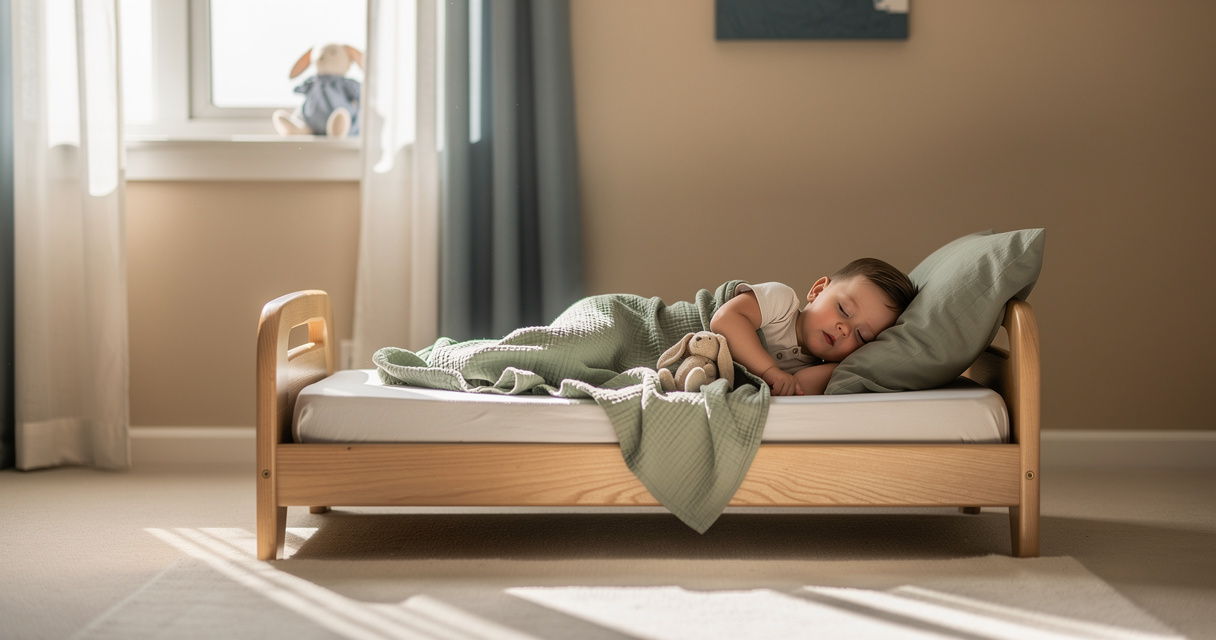
From Overwhelm to Harmony: Simplifying Toddler Rest Routines
Your toddler napped like a champion yesterday—and tonight they’re wired at 9 PM.
Sound familiar? Between daycare pickups, snack negotiations, and a bedtime that keeps creeping later, toddler rest can feel like a moving target. But here’s what most parents don’t realize: you don’t need a complicated system. A handful of small, consistent habits can shift your home from overstimulated chaos to genuine calm.
In this guide, you’ll learn realistic sleep totals, how your toddler’s biology shapes their rhythms, and a simple seven-step plan to create a smoother day-to-night routine—without perfection or power struggles.
Why Toddler Rest Routines Feel So Hard
Toddlers are changing at warp speed. Language explodes, mobility soars, and nap needs evolve—sometimes week to week. That developmental whirlwind can make sleep look messy even when nothing is “wrong.”
Yet predictable rest is fuel for growth, learning, and behavior. The American Academy of Sleep Medicine (AASM), endorsed by the AAP, recommends 11–14 hours of total sleep per 24 hours for children ages 1–2, and 10–13 hours for ages 3–5. These ranges account for normal variation but give you a reliable target for planning your day.
Evening screen use adds another layer. Blue-rich light from tablets and phones suppresses melatonin and delays sleep onset. The AAP advises avoiding screens in the hour before bedtime, and a 2024 randomized clinical trial published in JAMA Pediatrics found that removing screens in that final hour improved toddlers’ sleep efficiency and reduced night awakenings. Simple routine tweaks really can pay off.
The Sleep Science Behind Better Naps and Bedtimes
Think of toddler sleep as two teammates working together: sleep pressure and the body clock.
Sleep pressure builds like a battery draining while your child is awake, then resets during sleep. Aligning naps and bedtime with this natural build-up helps your toddler fall asleep faster and stay asleep longer.
The circadian rhythm (body clock) is anchored by light. Bright morning light locks in earlier, steadier schedules. Bright evening light—especially from screens—pushes sleep later. Research from the University of Colorado found that even modest evening light exposure can sharply suppress melatonin in preschoolers.
Bedtime routines act like a bridge from busy play to sleep. Multiple randomized trials show that consistent routines shorten sleep onset, reduce night wakings, and improve parent well-being—often within days, according to a study published in the journal Sleep.
The bottom line: align wake windows with age, protect evening wind-down from bright light, and repeat a short, predictable bedtime routine most nights.
7 Evidence-Based Steps to Simplify Toddler Rest
1. Start With the Right Sleep Target
Knowing the daily “sleep budget” lets you size naps so bedtime doesn’t drift late. Aim for 11–14 hours (ages 1–2) or 10–13 hours (ages 3–5), including naps. If bedtime is creeping past your goal, trim daytime sleep before pushing bedtime later.
Example:
- Before: 2.5-hour nap ending at 4:30 PM, bedtime attempt at 8:00 PM but asleep at 9:15 PM.
- After: 1.5–2-hour nap ending by 3:00 PM, lights out 7:45 PM, asleep by roughly 8:00 PM.
2. Use Age-Appropriate Wake Windows
Toddlers fall asleep best when sleep pressure is “just right.” Most 12–18-month-olds handle about 3–4.5 hours before a nap and 4–5 hours before bedtime once on one nap. Older toddlers may stretch slightly longer.
Example:
- Before: Lunch at noon, nap offered at 12:15, but it takes 45 minutes to fall asleep.
- After: Nap offered at 12:45–1:00 after a calm pre-nap routine; asleep in roughly 10–15 minutes.
3. Time the One-Nap Transition Thoughtfully
Around 18–24 months, most toddlers consolidate to one midday nap. Signs of readiness include refusing the morning nap, long delays at nap onset, or bedtime pushing too late after two naps. According to the Sleep Foundation, most children complete this shift by age two.
Example:
- Before: Two naps (10:00 AM and 2:30 PM) with bedtime sliding past 9:00 PM.
- After: One nap around 12:30–2:00 PM, bedtime 7:45–8:00 PM.
4. Protect the Golden Hour Before Bedtime
Dimming lights and skipping screens keep melatonin rising on schedule. The AAP advises no screens for at least one hour before bed, and the 2024 JAMA Pediatrics trial confirmed measurable sleep gains when families followed this rule. Replace screens with books, cuddles, or quiet play.
Example:
- Before: TV until bath; child catches a “second wind.”
- After: Devices off by 6:45 PM, lamps dimmed, 20 minutes of reading and gentle play.
5. Build a Short, Repeatable Bedtime Routine (20–30 Minutes)
Consistent sequences become powerful sleep cues. Randomized trials show that a simple routine—bath, pajamas, stories, lights out—reduces how long it takes to fall asleep, cuts night wakings, and even improves caregiver mood, often within the first week.
Example:
- Before: Different order every night with lots of negotiating.
- After: Same 3–4 steps nightly, with one clearly signaled “last thing” (a song or phrase) before lights out.
6. Anchor Mornings With Light and Consistency
Morning sunlight is a strong circadian “set” signal that helps stabilize earlier bedtimes. Open blinds at wake time, step outside for a few minutes, and keep wake time within about 30 minutes of the same time daily.
Example:
- Before: Variable wake times, indoor lights only.
- After: Wake by 7:00–7:15 AM, curtains open, breakfast near a bright window or a quick stroller walk.
7. Adjust Naps Before You Adjust Bedtime
If nights run late or split with long wake-ups, the nap is usually the lever. Shorten naps that run late, cap total daytime sleep, or start the nap 15–30 minutes earlier to prevent overtiredness.
Example:
- Before: Nap 2:30–4:30 PM, bedtime stalled.
- After: Nap 12:45–2:15 PM, bedtime smooth at 8:00 PM.
Troubleshooting Common Sticking Points
Bedtime battles: Stick to the routine and offer two predictable choices—blue pajamas or green, this book or that one. Keep choices quick to prevent stalling.
Split nights (awake 1–3 AM): This often signals too much daytime sleep or a nap that ends too late. Try reducing the nap by 15–30 minutes or ending it by 3:00 PM.
“Second wind” at 8 PM: Dim lights earlier and end stimulating play after dinner. Remember, preschoolers’ melatonin is highly light-sensitive—University of Colorado researchers found that even brief bright-light exposure near bedtime can delay sleep onset significantly.
Frequently Asked Questions
How long should my 2-year-old nap?
Most 2-year-olds nap 1–2.5 hours and still do best with bedtime before 8:30 PM. If nights run late or your child takes more than 20 minutes to fall asleep at bedtime, try capping the nap or ending it by 2:30–3:00 PM.
Are screens always a problem before bed, even with blue-light filters?
Filters reduce blue light somewhat, but the AAP still recommends no screens in the final hour before bed. Beyond light wavelength, the stimulating content itself can delay sleep. Books, puzzles, and snuggles are more effective wind-down tools.
What if daycare controls nap timing?
Talk to your child’s teachers about capping nap length if bedtime is suffering. Many daycares will wake a child after a set window. On weekends, mirror the daycare nap schedule as closely as possible to maintain consistency.
Bringing It All Together
You don’t need a perfect schedule—just a few consistent anchors. Aim for age-based sleep totals, protect the hour before bed, and keep your routine short and repeatable. Most families see smoother bedtimes within a week of committing to these steps.
When you want help sizing wake windows and nap timing for your child’s age, try TinyRests to find an age-appropriate schedule in seconds.
Medical Disclaimer: This article is for informational purposes only and does not constitute medical advice. Always consult with your pediatrician or healthcare provider about your child’s sleep patterns and any concerns about their development or health.