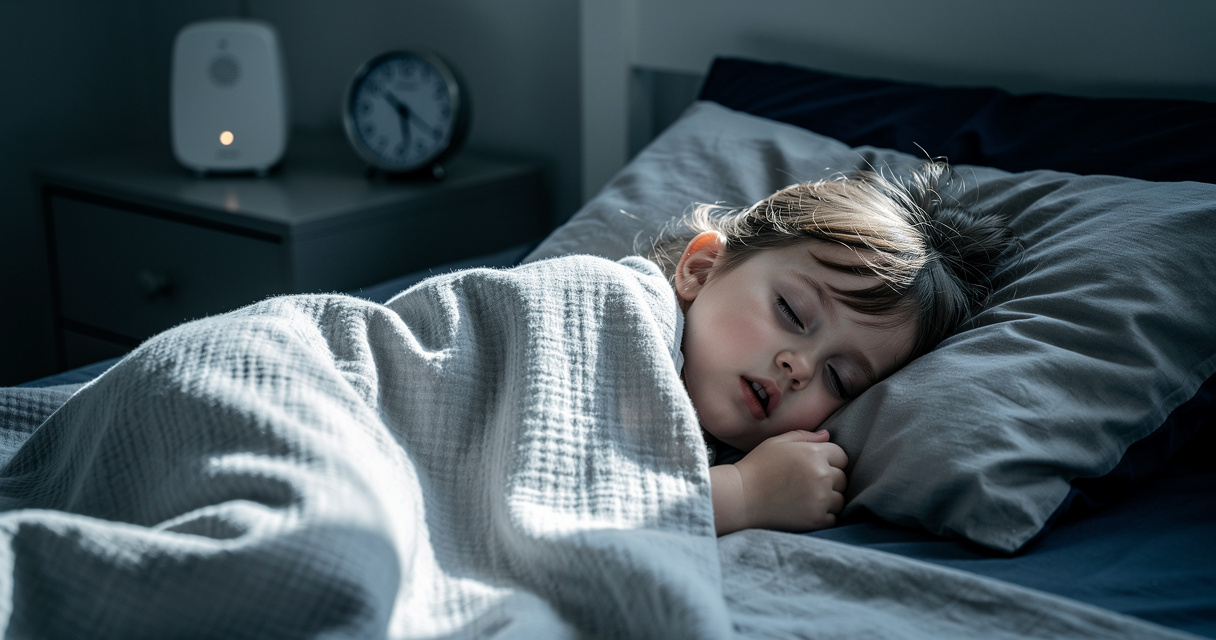
5 Proven Ways to Sleepproof Your Toddler’s Nights
Bedtime shouldn’t feel like a hostage negotiation.
Yet for millions of parents, every evening dissolves into the same exhausting loop: one more book, one more sip of water, one more trip to the bathroom. Between new milestones, fierce opinions, and shifting nap needs, toddler sleep can feel wildly unpredictable.
Here’s the good news: small, science-backed tweaks can transform the chaos into consistency. In this guide you’ll learn five simple strategies to “sleepproof” your home—so your toddler falls asleep faster, stays asleep longer, and wakes up happier.
Why Toddler Sleep Goes Sideways
Between ages 1 and 3, a toddler’s brain and body sprint ahead—but sleep needs stay high. The American Academy of Sleep Medicine recommends 11–14 hours of total sleep for ages 1–2 and 10–13 hours for ages 3–5, guidelines the American Academy of Pediatrics endorses.
Meeting those totals is linked to better behavior, stronger learning, and improved overall health, according to a 2016 consensus statement published in the Journal of Clinical Sleep Medicine.
So what makes it tricky? Rapid development, shifting nap structure, big feelings, and environmental cues—light, screens, activity—that either support or sabotage sleep. There’s no single magic fix. The real solution is a handful of dependable habits that work together.
The Sleep Science in Plain English
Think of toddler sleep as a seesaw balanced by two forces:
- Homeostatic sleep drive. The longer your child is awake, the stronger the pressure to sleep. Well-timed naps balance this drive without draining it. Observational research shows that when naps run late, night sleep tends to shrink.
- Circadian rhythm. The internal 24-hour clock set by light and dark. Evening light—especially bright or blue-enriched—can delay melatonin release and push sleep later. A 2022 University of Colorado study found that even modest evening light suppresses melatonin in preschoolers.
Two more science-supported levers:
- Bedtime routines. A 2009 randomized trial in the journal Sleep showed that consistent, calming routines are linked with faster sleep onset, fewer night wakings, and longer sleep—with improvements appearing within days.
- Daily movement. The CDC recommends young children be physically active throughout the day, and research consistently links daytime activity with better sleep quality.
Key takeaway: Align light, naps, routines, and activity with your toddler’s biology—and sleep gets easier.
The Sleepproofing Plan: 5 Evidence-Based Strategies
1. Lock In a Predictable, Soothing Bedtime Routine (20–30 Minutes)
Aim for 3–4 calming steps in the same order every night: bath, PJs and toothbrushing, a short book, lights dim, cuddle, lights out. Repeat this sequence 5–7 nights a week.
Repetition becomes a cue for the brain: “sleep is next.” Randomized and large observational studies in young children show routines reduce bedtime struggles and night wakings while lengthening sleep. Even partial consistency helps, and benefits can appear within a few nights.
Example:
- Before: Screen time until lights out; rushed handoff to bed.
- After: 6:45 bath → 6:55 PJs and teeth → 7:00 dim lights plus two short books → 7:10 cuddle and lights out.
2. Use Light Like a Dimmer Switch: Bright Mornings, Dim Evenings
Open blinds or step outside within 30–60 minutes of wake-up. Start dimming indoor lights 60–90 minutes before bedtime—use warm lamps, not overheads. Keep the bedroom dark at night; a faint, warm nightlight is fine if your child needs one.
Light is the master clock-setter. Morning light nudges the body clock earlier, while evening light pushes it later by suppressing melatonin. University of Colorado researchers found that even low-level evening light can disrupt melatonin production in preschoolers, and clinical guidance supports using morning light to advance circadian timing.
Example:
- Before: Bright kitchen lights and TV on after dinner.
- After: Post-dinner lamp light only; TV off; quiet play and reading under warm bulbs.
3. Trim and Time the Nap to Protect Night Sleep
Most toddlers shift to one midday nap between about 13–18 months. Aim for a start around 12:00–1:00 PM. If bedtime is drifting late, try ending the nap 4.5–5.5 hours before bedtime rather than cutting night sleep.
The afternoon wake window lets sleep pressure build for bedtime. Research on toddler nap patterns shows that later nap endings are associated with shorter night sleep, suggesting that timing—not just length—matters. Adjusting the nap end-time is a gentler lever than overhauling bedtime entirely.
Example:
- Before: 2:00–4:00 PM nap, 9:00 PM bedtime battle.
- After: 12:30–2:00 PM nap, 7:30 PM easy lights-out.
4. Create a Cool, Dark, Quiet Sleep Environment
Target a comfortably cool room (around 68–72°F / 20–22°C), use blackout shades, and add steady white noise if household sounds carry. Keep stimulating toys out of sight, and reserve the crib or bed for sleep only.
The National Sleep Foundation emphasizes that a dark, quiet, comfortably cool bedroom supports both falling asleep and staying asleep. Dimming light near bedtime also reinforces the circadian message that night has arrived.
Example:
- Before: Overhead light, toy bins visible, door open to hallway chatter.
- After: Blackout curtain, soft lamp only during routine, toys covered, door mostly closed with white noise.
5. Guard the Pre-Bed Hour: No Screens, Calm Bodies, Calm Minds
Power down TVs, tablets, and phones at least 60 minutes before bed. Keep devices out of the bedroom at night. Swap screens for quiet play—puzzles, drawing, or reading. Encourage active, energetic play earlier in the day so little bodies feel ready to rest by evening.
Evening screen light suppresses melatonin and delays sleepiness. The AAP advises avoiding screens in the hour before bed and keeping devices out of bedrooms. Meanwhile, regular daytime physical activity for young children supports healthy sleep, according to CDC physical activity guidelines.
Example:
- Before: Tablet videos until 7:30 PM, then immediate lights out.
- After: 6:45 PM screen-off → blocks and coloring → 7:00 routine → 7:30 lights out.
A Sample “Sleepproofed” Day
Here’s what these five strategies look like stitched together:
- 7:00 AM: Wake up plus natural morning light (porch time or bright window)
- 9:30–11:30 AM: Active play indoors and outdoors (running, climbing, ride-on toys)
- 12:30–2:00 PM: Midday nap (wake by 2:00 to preserve bedtime)
- 5:45 PM: Dinner; keep lights moderate and wind stimulation down
- 6:30 PM: Screens off; warm-light lamps only
- 7:00 PM: Routine starts (bath, PJs and teeth, two short books)
- 7:30 PM: Lights out in a cool, dark, quiet room
Adjust times to your family’s schedule and your child’s cues. What matters most is consistency from day to day.
Frequently Asked Questions
How long does it take for sleepproofing to work?
Most families notice improvements within 3–5 nights of consistent changes. Bedtime routines tend to show results fastest, while circadian shifts from light management may take 1–2 weeks to fully settle in.
When should my child drop to one nap?
Most toddlers transition between 13 and 18 months. Signs include consistently refusing the second nap, taking very long to fall asleep at bedtime, or waking earlier in the morning. Try capping or moving naps earlier before eliminating one entirely.
Is a nightlight okay, or does it need to be pitch black?
A very dim, warm-toned nightlight (red or amber) is fine for comfort and safety. The key is avoiding bright or blue-enriched light in the evening, which suppresses melatonin. Place the nightlight low and away from your child’s line of sight.
My toddler fights the routine—should I force it?
Offer limited, low-stakes choices within the routine instead: “Do you want the dinosaur book or the truck book?” This gives your toddler a sense of control while keeping the sequence predictable. Resistance usually fades within a week of consistency.
The Bottom Line
Sleepproofing your toddler isn’t about perfection. It’s about aligning biology with routine: predictable evenings, smart light management, well-timed naps, a calm sleep space, and screen-free wind-downs.
Small shifts stack up fast. Pick the one strategy from this list that feels easiest to start tonight, nail it for a week, then layer on the next.
Ready to dial in your toddler’s nap timing? Calculate wake windows to find the ideal schedule for your child’s age—free and instant.
Medical Disclaimer: This article is for informational purposes only and does not constitute medical advice. Always consult with your pediatrician or healthcare provider about your child’s sleep patterns and any concerns about their development or health.