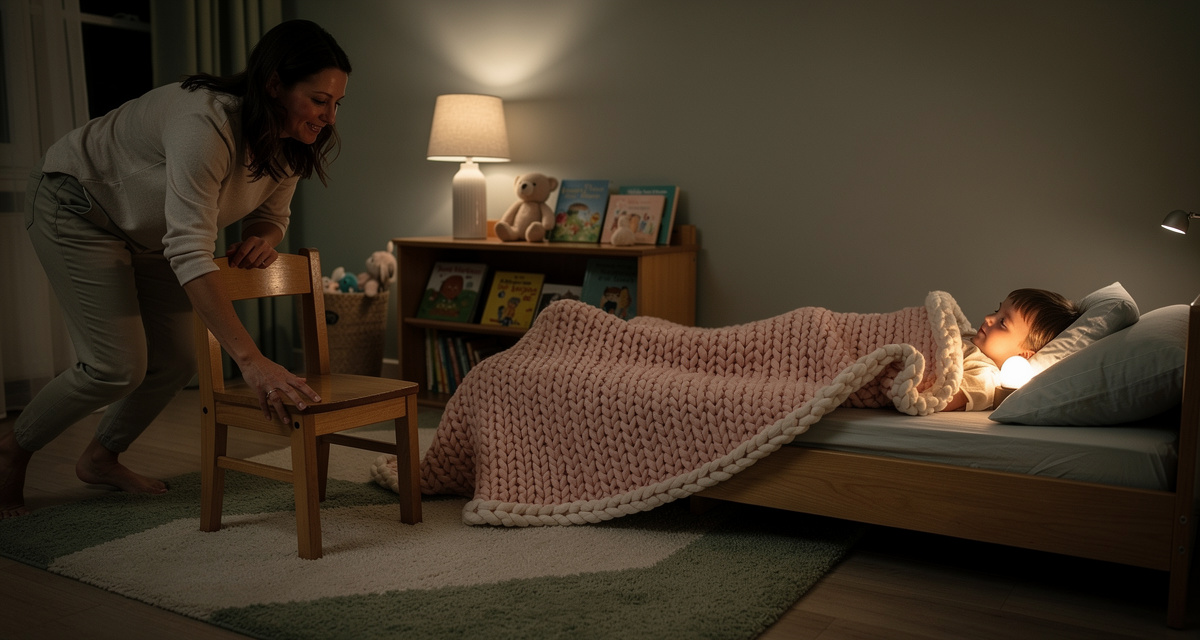
Gentle Transitions to Build Toddler Independence at Bedtime
Your toddler needs “one more book,” then one more sip of water, then “Don’t go!” Sound familiar? You’re not alone. Research shows that consistent bedtime routines improve sleep onset, reduce night wakings, and boost mood in young children—and their parents. Toddlers crave independence, yet they need your steady presence to feel safe. The solution? Gentle transitions: small, predictable steps that guide your child from play to sleep with confidence, not tears.
Why Gentle Transitions Matter for Toddler Independence
Toddlers live in a world of big feelings and emerging skills. When you suddenly switch gears—”Playtime’s over, lights out now!”—you’re asking them to leap across a gap they can’t see. Gentle transitions build stepping-stones: each step is clear, safe, and leads toward sleep.
The research is compelling:
- Predictable bedtime routines are linked to faster sleep onset, fewer night wakings, and calmer evenings for both children and caregivers. These improvements can appear within days of starting a simple, consistent routine.
- The American Academy of Pediatrics (AAP) supports guidance from the American Academy of Sleep Medicine (AASM) that children thrive with regular sleep schedules. For toddlers ages 1–2, the recommended total sleep is 11–14 hours in 24 hours; for ages 3–5, it’s 10–13 hours. Consistency helps the body clock know what’s next.
- Reducing screens in the hour before bed improves toddler sleep quality in randomized trials, aligning with AAP advice to keep bedrooms screen-free and avoid screens at least one hour before bedtime.
When toddlers are well-rested, they have more bandwidth for independence the next day. Regular sleep habits also correlate with less daytime tiredness in national data—a clear sign that routines support better rest.
The Science, Simply Explained
Think of your toddler’s sleep like a dimmer switch, not a light switch. Gentle transitions slowly slide that dimmer from bright play to calm rest by working with three biological systems:
1. The body clock (circadian rhythm):
Regular schedules, morning light exposure, and consistent bed/wake times anchor rhythms so sleep pressure builds on time. AASM and AAP guidance emphasizes this regularity for health and behavior.
2. Sleep pressure:
Active days and appropriate wake windows build the “sleepy chemical” adenosine. If bedtime is too late or naps too long for age, the pressure can be off—leaving your toddler wired, not tired.
3. Arousal regulation:
Calm, repetitive steps (bath, book, song) cue the nervous system to downshift. Studies show that a short, consistent bedtime routine improves sleep onset, reduces night waking, and even improves caregiver mood—sometimes within the first week.
Key facts parents find helpful:
- Consistent routines are associated with earlier bedtimes, longer sleep, and fewer wakings across multiple countries and studies.
- Even small changes—like reading together nightly—can improve sleep and strengthen your connection.
- Screen light and stimulating content before bed delay melatonin and fragment sleep. Avoiding screens in the hour before lights out supports easier settling and higher sleep efficiency.
Gentle, Practical Strategies You Can Start Tonight
Below are step-by-step ideas that build independence while keeping attachment front and center. Choose the ones that fit your child’s age and temperament, and give each change 3–7 nights before judging results.
1. Create a 20–30 Minute “Landing Strip” Routine
Why it works:
Predictable steps help toddlers anticipate what comes next and lower protest. Research links consistent bedtime routines with faster sleep onset, fewer night wakings, and better morning mood for both child and caregiver.
How to do it:
- Choose 3–5 calm steps—for example: bath → pajamas/teeth → two books → song → lights out. Keep the order identical every night.
- Use warm, dim lighting during this window. Bright light tells the brain it’s still daytime.
Example:
- Before: Free play until 8:15, then abrupt “Bedtime!”
- After: 7:45 start bath, 7:55 pajamas/teeth, 8:00 two books, 8:10 lights out and song.
2. Offer Two-Step Choices to Fuel Autonomy
Why it works:
Toddlers are wired to seek control. Limited, predictable choices reduce battles while reinforcing the routine.
How to do it:
- Use either/or prompts that don’t change timing: “Blue pajamas or stripes?” “Brush teeth before or after books?”
- Avoid open-ended choices that extend bedtime.
Example:
- Before: “What do you want to do now?” → endless stalling.
- After: “One book on the chair or in bed?” → child chooses, routine continues.
3. Fade Your Presence Gradually (Connection-First “Chair Method”)
Why it works:
Many toddlers need you nearby to feel safe. A gentle “fading” plan grows independence over days, not minutes.
How to do it:
- Night 1–2: Sit beside the crib/bed with a hand on their back after lights out.
- Night 3–4: Move your chair a few feet away. Use a calm voice cue: “I’m right here. Time for rest.”
- Night 5–6: Move to the doorway. Maintain the same short script.
These graduated approaches are consistent with behavioral strategies shown to improve settling in young children, while respecting temperament and parent preference.
4. Use Visual Timers and Picture Routines
Why it works:
Toddlers process visuals faster than long verbal directions. Pictures or a sand timer make time feel concrete and predictable.
How to do it:
- Use a 5-minute visual timer for toy cleanup, then start your routine.
- Create a simple picture chart: bath, pajamas, brush, book, bed. Point to each step instead of re-explaining.
Example:
- Before: 10-minute debate about cleaning up.
- After: Flip the sand timer—when the sand’s down, it’s bath time.
5. Protect the Screen-Free Hour Before Bed
Why it works:
Light and content from screens delay melatonin and increase arousal. The AAP advises avoiding screens in the hour before bedtime. A 2024 randomized clinical trial found that removing screens in this window improved toddler sleep efficiency and reduced night wakings compared with controls.
How to do it:
- Replace screens with quiet play: puzzles, blocks, drawing, or “Bedtime Box” activities like books and gentle music.
- Keep devices out of the bedroom overnight per pediatric guidance.
6. Set Age-Appropriate Wake Windows and Adjust Naps
Why it works:
When sleep pressure aligns with age, toddlers settle more easily. The AASM consensus (endorsed by the AAP) suggests total sleep of 11–14 hours for ages 1–2 and 10–13 hours for ages 3–5 in 24 hours. If bedtime battles spike, check if naps are too late or too long.
How to do it:
- Typical awake times: around 4–6 hours by age 2–3, but individual needs vary. Gradually shift nap earlier or trim by 15 minutes if bedtime is consistently wired.
- Hold changes for several days to see the true effect.
Example:
- Before: 2.5-hour nap ending at 4:30 PM; 9:30 PM bedtime struggles.
- After: Cap nap at 2 hours, end by 3:30 PM; bedtime settles closer to 8:30 PM.
7. Script a Short, Soothing “Goodnight” Cue
Why it works:
Repeated phrases become sleep cues that calm the nervous system. Pair with dim lights and slow breathing.
How to do it:
- Keep it consistent and brief: “I love you. It’s time for rest. See you in the morning.”
- Use the same words at night wakings to reinforce the pattern.
8. Plan for Common Transitions: Cribs, Beds, and Travel
Why it works:
Transitions feel bigger to a toddler than to us. Breaking them into smaller steps preserves confidence.
How to do it:
- Moving to a bed: If your toddler is climbing out or is over 3 and ready, bring bed features into the routine first—reading in the new bed, practicing “waiting for the green light” on a toddler clock. Maintain the same bedtime steps for continuity.
- Travel: Pack your “portable routine”—same pajamas, book, and “goodnight” cue. Aim for familiar timing the first night.
Parenting tip: Expect a “practice week.” Many families see improvements within days of starting a consistent routine, but give new steps 3–7 nights before deciding whether to adjust.
Gentle Transitions for Daytime Separations That Affect Night Sleep
Independence grows all day, not just at bedtime. Calm, predictable daytime separations can lower nighttime clinginess.
Practical strategies:
- Narrate goodbyes: “Daddy is going to wash dishes. I’ll be back after your song.” Predictable mini-separations build trust.
- Use “room time”: 5–10 minutes of independent play after lunch with you nearby and checking in. This practices self-regulation in tiny doses.
- Keep afternoon activities active and bright: Aim for outdoor light in the morning to strengthen the body clock.
What the Evidence Says (Woven Simply)
- Bedtime routines are associated with better child sleep and improved caregiver mood, with benefits observed quickly in implementation studies and randomized designs.
- The AASM sleep duration consensus, endorsed by the AAP, recommends about 11–14 hours (ages 1–2) and 10–13 hours (ages 3–5) of sleep in 24 hours. Regular schedules and routines help achieve these totals.
- The AAP advises avoiding screens at least one hour before bedtime and keeping devices out of bedrooms. A 2024 randomized clinical trial found that replacing pre-bed screen time with calm, non-screen activities improved toddler sleep efficiency and reduced awakenings.
- Recent federal data highlight that consistent sleep-related habits correlate with less reported tiredness in U.S. children, reinforcing the value of routines.
Frequently Asked Questions
How long should I try a new bedtime routine before deciding it “works”?
Give a new routine 3–7 nights. Studies show improvements can start within days when bedtime steps are consistent, but toddlers also need repetition to feel secure. If things worsen after a full week, review nap timing, the screen-free hour, and the number of steps—3–5 is usually enough.
My toddler cries when I move the chair farther away. Is fading still “gentle”?
Gentle doesn’t mean zero protest—it means responsive and gradual. Move at your child’s pace: repeat a step for 2–3 nights until they’re calmer before increasing distance. Keep your short, steady “goodnight” script so the cue—and your presence—feel predictable.
Should I drop my toddler’s nap to fix late bedtimes?
Not automatically. First, cap the nap and move it earlier. Many toddlers still need daytime sleep; the AASM/AAP guidance focuses on total 24-hour sleep. If bedtime remains very late after a week of adjustments, a structured nap transition may help.
The Takeaway
Gentle transitions grow toddler independence by making each step to sleep clear and safe. Anchor your evening with a short routine, protect the screen-free hour, set age-appropriate wake windows, and fade your presence at your child’s pace.
Ready to dial in wake windows and nap timing for your toddler’s age? Use TinyRests to calculate age-appropriate schedules that support better sleep.
Medical Disclaimer: This article is for informational purposes only and does not constitute medical advice. Always consult with your pediatrician or healthcare provider about your child’s sleep patterns and any concerns about their development or health.