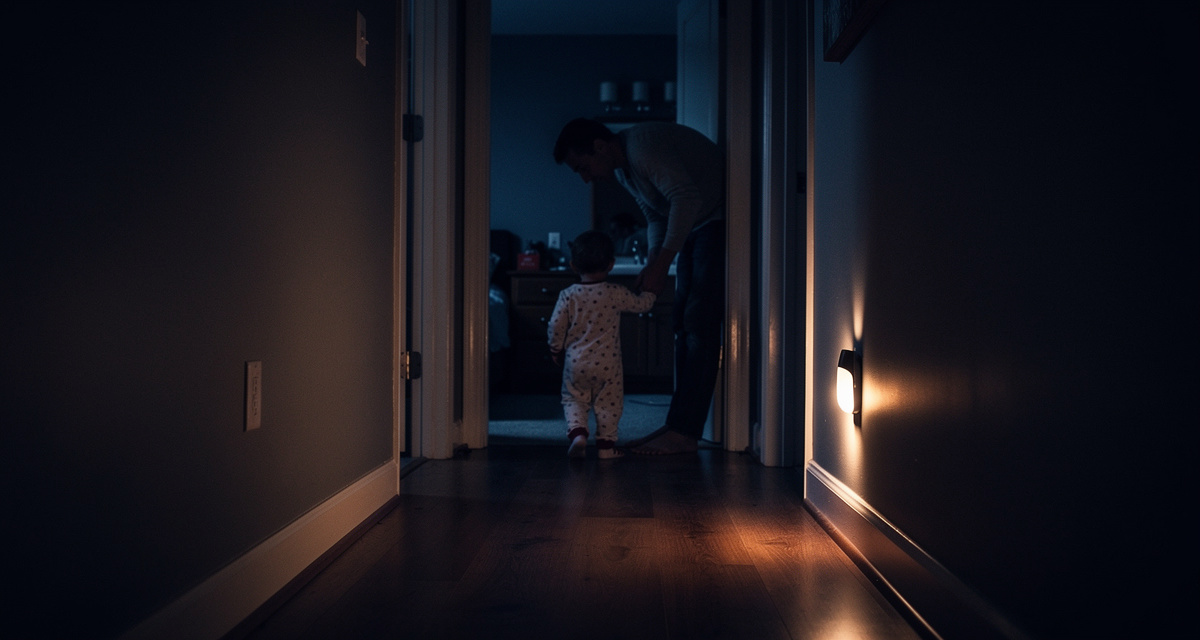
Why Toddlers Resist Sleep—and How to Help Them Settle
Your toddler treats bedtime like a negotiation. “One more book.” “I need water.” “My leg itches.” Sound familiar? You’re not imagining it—bedtime resistance peaks during toddlerhood, driven by biology, brain development, and good old-fashioned boundary-testing. The reality: most causes are predictable and fixable with small, consistent changes. Here’s why your toddler fights sleep and what actually works.
What’s Really Going On When a Toddler “Fights Sleep”
Toddlers aren’t trying to ruin your evening—they’re navigating massive developmental shifts while their internal clocks mature. The American Academy of Sleep Medicine notes that most 1–2 year-olds need 11–14 hours of total sleep in 24 hours, including naps. When schedules drift, light exposure runs late, or naps don’t match developmental needs, the result is a wired toddler at the very time you expect sleep.
Pediatric sleep experts agree: bedtime struggles in young children usually stem from behavioral patterns, not medical issues. These patterns respond best to gentle, consistent routines rather than medication, according to research published in American Family Physician.
The Science Behind Toddler Sleep Resistance
Think of toddler sleep as a three-part puzzle: circadian rhythm (body clock), sleep pressure, and learned behavior.
The circadian clock is set by light. Evening light—especially bright, cool light from screens or overhead fixtures—delays melatonin production and pushes bedtime later. Research published in Physiological Reports found that preschoolers are highly sensitive to light in the hour before bed.
Sleep pressure builds during wake time. If naps run too long or too late, your toddler may not be sleepy at bedtime. If naps are mistimed or skipped during a transition, evening brings a “second wind” and more resistance.
Behavior creates patterns. If falling asleep always requires a parent’s presence or multiple “last requests,” those associations drive repeated bedtime battles. Behavioral approaches—not medication—are first-line for this age group.
A randomized clinical trial published in Pediatrics found that reducing pre-bedtime screen use in toddlers improved sleep onset—right in line with AAP media guidance recommending screens off at least one hour before bed.
Common Reasons Toddlers Resist Sleep (And What You Can Do)
1. Bedtime Doesn’t Match Their Internal Clock
When bedtime is too early or too late for your child’s natural rhythm, they’ll either bounce off the walls or lie awake frustrated.
Why it works: Aligning bedtime with circadian timing and true sleep pressure makes falling asleep faster. Dim lights 60 minutes before bed and stick to a consistent lights-out time.
2. No Consistent Pre-Bed Routine
Toddlers thrive on predictable cues. A short, calm, same-order routine (brush, book, bed) signals the brain that sleep is next.
Why it works: Research in Sleep Medicine Reviews shows that consistent bedtime routines shorten sleep onset and reduce night wakings. The more nights per week you stick with it, the bigger the benefit.
3. Light and Screens Late in the Evening
Even household light can delay melatonin in preschoolers. Screens add blue-enriched light and stimulation. AAP guidance: keep screens off for at least one hour before bedtime and remove devices from bedrooms.
Why it works: Less evening light lets melatonin rise on time, making your toddler biologically ready to sleep.
4. Nap Transitions in Progress
Moving from two naps to one, or from one nap toward quiet time, temporarily disrupts sleep. Many toddlers consolidate to one midday nap during the second year. By preschool years, some stop napping entirely while still needing robust nighttime sleep.
Why it works: Adjusting wake windows and protecting an age-appropriate midday nap (or quiet time) stabilizes bedtime tiredness without tipping into that wired “second wind.”
5. Separation Anxiety, New Skills, or Boundary-Testing
Developmental leaps—language bursts, climbing, new daycare, a new sibling—show up at bedtime as protest or repeated requests.
Why it works: Predictable, loving structure reduces uncertainty. Brief check-ins after lights out, paired with a consistent plan, teach that the routine—and sleep—are safe every night.
6. Sleep-Onset Associations That Require You
If your child always falls asleep with you present, they may need you again at every wake-up. Evidence-based behavioral tools like a short, consistent routine and limit-setting strategies can help. For older toddlers/preschoolers, a “bedtime pass” (one card for a single request) reduced stalling in a randomized trial.
Why it works: Toddlers learn to fall asleep under the same conditions they’ll experience overnight, reducing repeated requests for help.
Practical, Gentle Fixes You Can Start Tonight
Set a Biologically Friendly Evening
Dim household lights and switch to warm bulbs 60 minutes before bedtime. Keep screens off during this hour. Aim for the same wake time and bedtime daily (±30 minutes)—consistency helps the body clock.
Use a 3–4 Step Routine in the Same Order
Keep it short (15–30 minutes): brush teeth, put on pajamas, read one or two books, lights out. Read the final book in dim light. End with a brief song or cuddle. Research shows weekly consistency predicts better sleep.
Right-Size Naps and Wake Windows
For most toddlers, a single midday nap supports easier bedtimes. If naps run late, cap or shift earlier. Protect quiet time if your preschooler is dropping naps, and maintain an early, steady bedtime to preserve total sleep.
Tweak Timing Methodically
If your toddler takes more than 30–40 minutes to fall asleep, adjust bedtime 15 minutes earlier or later and hold for 3–4 days before changing again. Small shifts beat big swings.
If mornings are drifting earlier, try a slightly earlier bedtime for a week before assuming “less sleep need.”
Create Clear, Kind Limits
After lights out, use brief, boring check-ins at increasing intervals or use a single “bedtime pass” for one extra request. Praise staying in bed. Avoid starting new, time-consuming rituals after lights out—toddlers are master negotiators.
Make the Room Sleep-Ready
Cool, dark, and quiet works best. Consider blackout shades and steady, low-volume white noise. Remove devices from bedrooms and charge them elsewhere.
Mind the Total Sleep Need
Across 24 hours, most 1–2 year-olds need 11–14 hours (including naps). Preschoolers typically need 10–13 hours. If totals dip below these ranges, expect more resistance. Use these ranges as a guide, not a rigid rule—some kids are naturally higher or lower sleep need.
Example: Your 18-month-old naps for 2 hours midday and sleeps 10.5 hours at night. That’s 12.5 hours total—right in the healthy range. But if bedtime battles start after naps stretch to 3 hours, you may need to cap daytime sleep to preserve nighttime pressure.
Frequently Asked Questions
Is my toddler “overtired” or just not tired enough at bedtime?
Watch the pattern. If naps ran late or were especially long, your toddler may truly not be sleepy yet. If a nap was missed or very short and your child gets wild and wired at night, you may be seeing a late-evening “second wind.” Try a slightly earlier bedtime after low-nap days and a slightly later one after long-nap days.
Do blue-light-blocking nightlights help toddlers fall asleep?
The bigger factor is overall evening light intensity and timing, not just color. Preschoolers show strong melatonin suppression from bright evening light. Keep lights dim and warm in the last hour and avoid screens. A very dim amber nightlight for safety is fine.
When do most children drop the nap?
Many toddlers consolidate to one nap during the second year. By ages 3–5, some stop napping completely while still needing 10–13 hours at night. If bedtime battles surge after the third birthday, experiment with a shorter nap or quiet time instead.
Should I use melatonin for my toddler’s bedtime resistance?
For healthy young children, behavioral strategies and consistent routines are the first-line approach. If sleep challenges persist or you suspect an underlying issue, talk with your pediatrician before considering any supplement or medication.
The Bottom Line
Toddler sleep resistance usually reflects timing, light, routines, or learning—not a broken sleeper. Small, consistent changes to evening light, routine structure, and nap timing can transform bedtime within days.
Ready to dial in age-appropriate wake windows and nap timing? Try TinyRests to calculate your toddler’s ideal schedule based on their current age.
Medical Disclaimer: This article is for informational purposes only and does not constitute medical advice. Always consult with your pediatrician or healthcare provider about your child’s sleep patterns and any concerns about their development or health.